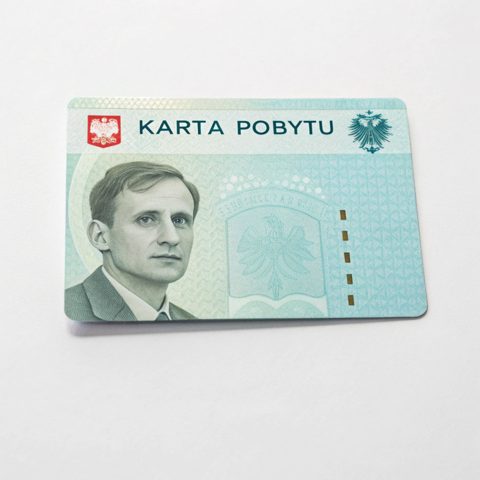
What do Ukrainians need to cross the border into Poland in 2026?


In 2026, Ukrainians still travel to Poland for many reasons: work, study, tourism or temporary protection. Here is what to check before the trip so there are no surprises at the border.
1. Visa-free travel and biometric passport
Visa-free travel remains in place: with a biometric passport you can stay in the Schengen area for up to 90 days in any 180-day period. If you live in Poland on a residence card, UKR status or a visa, the 90-day rule does not apply to you — your own legal basis of stay does.
2. The new Entry/Exit System (EES)
The EU’s electronic Entry/Exit System was rolled out gradually at external borders from October 12, 2025 and has been fully operational since April 10, 2026. For short stays it records your passport data, the date and place of entry and exit, and a facial image and/or fingerprints. Your first crossing may take a little longer, and overstays beyond the 90/180 limit are flagged automatically.
3. Health insurance
We recommend having valid health insurance for the whole trip. It is not always checked at the border, but it protects you from large bills if you need a doctor.
4. Financial means
Border guards may ask you to show that you have enough money for your stay. This can be cash, a bank statement or proof of paid accommodation.
5. Entering by car
If you are driving your own car, have ready:
- a driving licence;
- the vehicle registration certificate;
- a “Green Card” insurance policy.
It is also worth reading up on Polish traffic rules in advance — fines are significant.
6. Temporary protection and residence status
Ukrainian citizens who arrived in Poland after February 24, 2022, due to military actions, can receive temporary protection status. This status is confirmed by a PESEL number with the "UKR" mark and grants the right to legal stay, work, education, and medical services in Poland. According to the Office for Foreigners (MOS portal), the stay of temporary protection beneficiaries in Poland is currently considered legal until March 4, 2027. To stay longer, you can apply for a CUKR residence card: applications are accepted only online through the MOS system until March 4, 2027, and the card is issued for three years. Rules and deadlines may change, so before travelling or submitting documents, check the latest information at mos.cudzoziemcy.gov.pl or zielonalinia.gov.pl.
7. Residence card based on work
For a residence card (temporary residence permit) based on work, your salary must be at least the minimum wage. In 2026 the minimum wage in Poland is PLN 4,806 gross per month. For other grounds that require a stable income, the social assistance threshold is often used as a reference: PLN 1,010 net for a person living alone and PLN 823 per family member. Check the exact requirements for your case with the voivodeship office.
8. Extra tips
- Carry proof of the purpose of your trip: an accommodation booking or an invitation from an employer or school.
- Keep track of dates: how many days you have already spent in Schengen and how long your legal basis of stay is valid.
- Before travelling, check the latest rules on the Polish Border Guard website (strazgraniczna.pl) and the MOS portal.
If you keep these points in mind, crossing the border and staying in Poland in 2026 should go smoothly.
Subscribe to our newsletter:
Latest Posts:



More in this section: Residence card in Poland (karta pobytu)
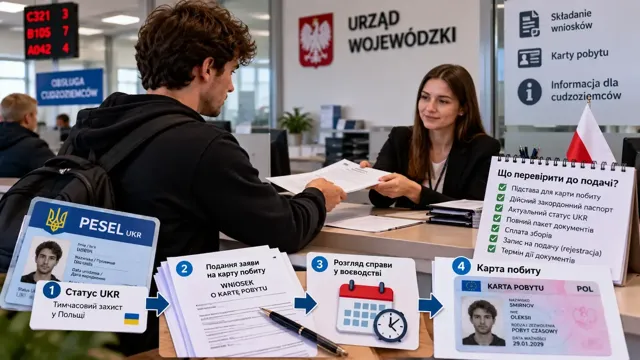
From UKR status to a residence card: the options and what to check first

How to Quickly Get a Residence Card in Poland
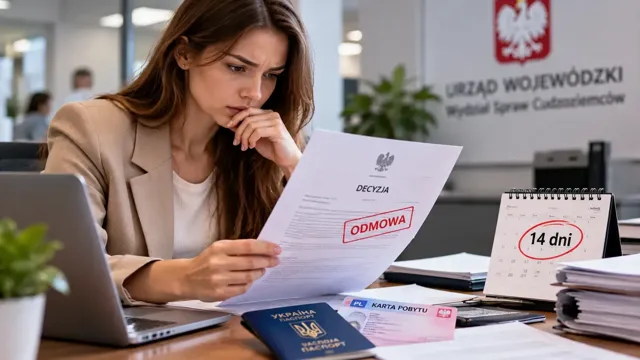
Residence card refused: how to write an odwołanie within 14 days