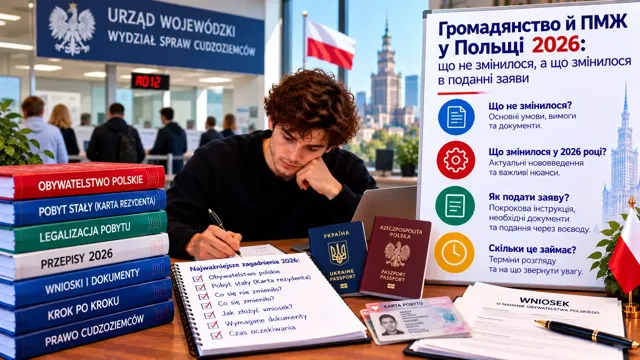
From UKR status to a residence card: the options and what to check first
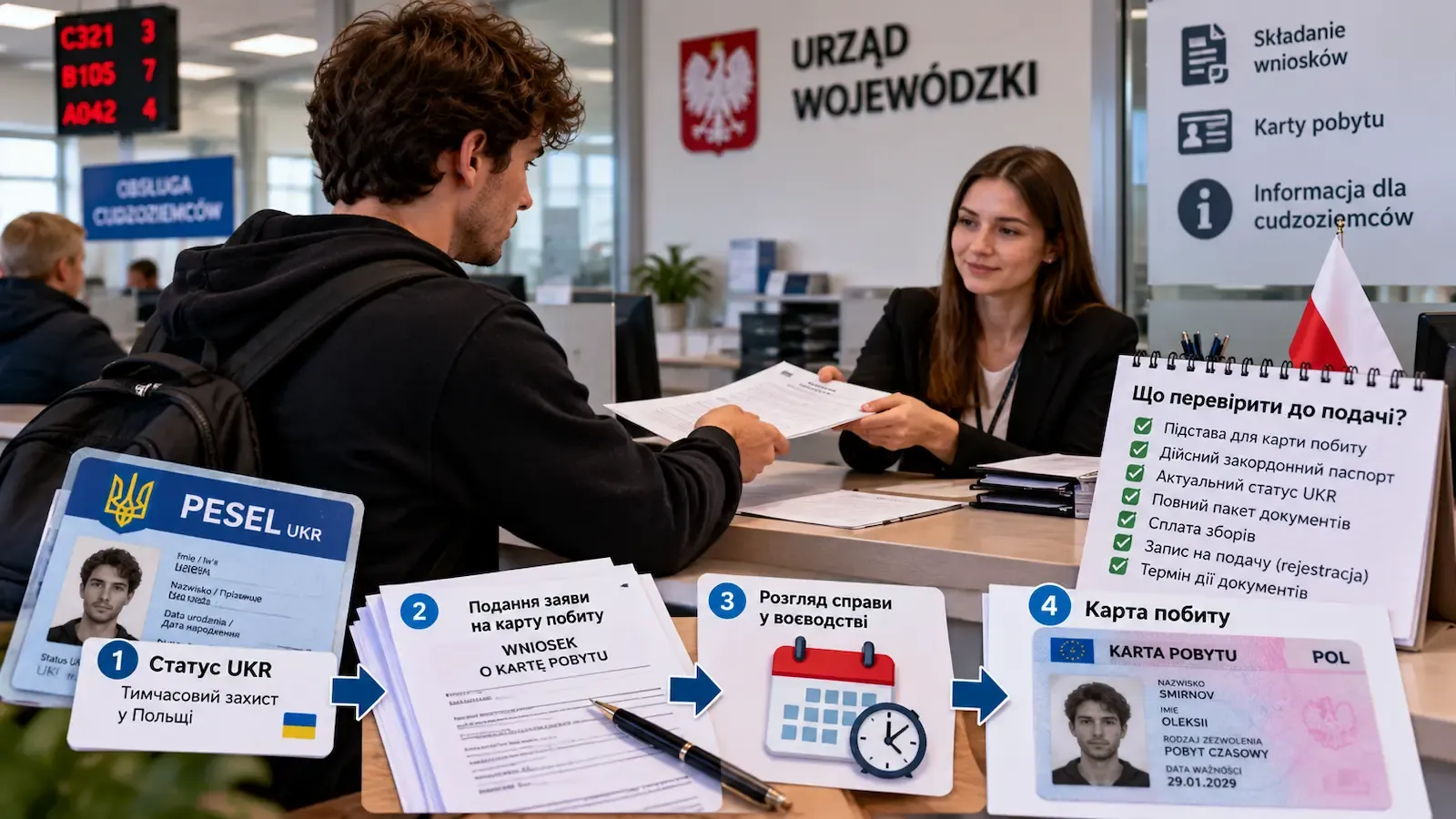

Natalia has lived in Poland since spring 2022, works in a shop, and her child goes to a Polish school. UKR status suits her, but whenever the news mentions "the special act" and "extension", she gets nervous. One friend advised: "Apply for a normal residence card, it's safer." Another replied: "Don't you dare, you'll lose 800+."
Both are partly right. The common belief that a residence card is always better than UKR status isn't accurate: each route has its gains and losses. The rules for Ukrainians in Poland have changed several times in recent years, so this text is a map of options, not an instruction. Before applying for anything, check the current information on gov.pl and at your voivodeship office.
UKR status: what it gives and why people think about leaving it
UKR status (under the special act) gives legal stay, the right to work without a permit, and access to healthcare, school and some social benefits. Its downside is that it's temporary: it depends on whether the relevant rules are extended, and for some things — travel, loans, renting — it's less convenient than a residence card.
Route 1. The special CUKR residence card
Polish law provides a separate type of temporary residence permit for Ukrainian citizens with UKR status — marked CUKR. The idea is to give people who have lived in Poland for a long time a multi-year document without collecting the full set of papers required for a standard card.
- Deadlines and conditions are set by separate rules — check whether applications are open right now.
- Apply only through the official channels listed on gov.pl. Intermediaries who "guarantee a CUKR for a fee" are a warning sign.
- Consequences for UKR status and benefits must be clarified before applying.
Route 2. A residence card based on work
The classic route is zezwolenie na pobyt czasowy i pracę. You need an employer who confirms your employment and working conditions, a contract and, as a rule, income not below a set threshold. It suits people who work steadily for one company and don't plan to change it often.
Route 3. Other grounds
- Studies. Full-time study at a Polish university is a basis for a card for the period of study.
- Family. Marriage to a Polish citizen or reunification with a family member who holds a residence card.
- Own business. A card for running a business — with requirements on income or hiring staff.
- Karta Polaka. If you have Polish roots and have received it — a route to a karta stałego pobytu without waiting five years.
What you may lose
Moving to another basis of stay may mean your UKR status ends. Conditions for some benefits and allowances may change with it. A separate question is whether time spent under the special act counts towards the five years needed for an EU long-term resident card. The answers depend on the rules in force when you apply, so it's worth getting them in writing — from the office or a lawyer.
Documents worth having now
Whichever route you choose, you'll need much the same things almost everywhere: a valid passport, employment contracts, annual PIT forms, ZUS insurance certificates, a lease and your children's birth certificates with translations. Put them in one folder in advance — then you can decide calmly, not in the last week before the rules change.
How to decide what suits you
- Horizon. If you plan to stay in Poland for years, look for a route to permanent stay, not just the next extension.
- Work. A stable employer and contract argue for a work-based card.
- Family. Children in a Polish school, marriage, parents with Karta Polaka — may open simpler routes.
- Benefits. Work out what your family budget really depends on and what would change.
- Documents. Check your passport's validity: almost every route requires a valid international passport.
Checklist before applying
- Official source. Read the current information on gov.pl/ua and your voivodeship office's website.
- PESEL UKR. Check that your status is valid and your data are correct.
- Passport. Take care of a valid passport in advance.
- Consequences. Ask in writing what will happen to your UKR status and benefits.
- Documents. Collect contracts, PIT forms and ZUS certificates — almost every card needs them.
- Intermediaries. Don't pay anyone who "guarantees" a result.
Subscribe to our newsletter:
Latest Posts:
Latest Posts:
Personal pronouns in Polish: go or jego, cię or ciebie, do niego, z nią
Verbs and their cases in Polish: szukam pracy, pomagam koledze, czekam na autobus
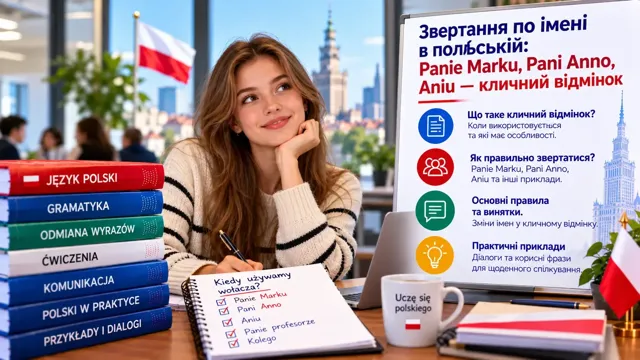
Addressing people in Polish: Panie Marku, Pani Anno, Aniu — the vocative
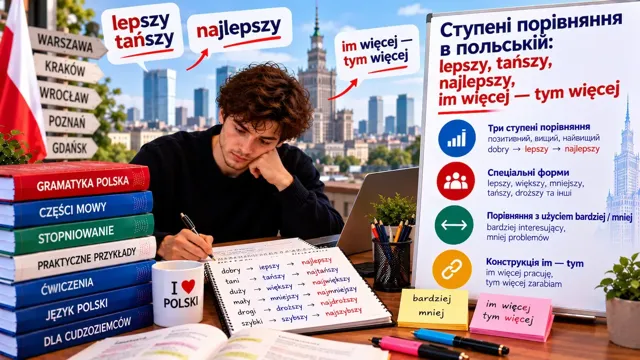
Comparatives and superlatives in Polish: lepszy, tańszy, najlepszy, im więcej — tym więcej