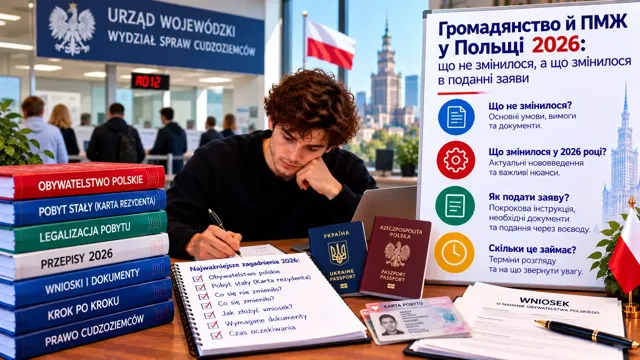
Public universities in Poland: who studies for free and how to get in


Some believe studies at Polish public universities are free for everyone. They aren't. Only full-time studies in Polish are free — and only for certain categories. A foreigner without the right status pays even for a Polish-taught programme, and English-taught programmes are paid for almost everyone except EU citizens.
Who studies for free
Besides Polish and EU citizens, the same terms apply to:
- holders of the Pole's Card;
- foreigners with permanent residence or EU long-term resident status;
- people with a Polish language certificate at C1 or higher;
- some other categories — depending on the basis of stay. The rules for Ukrainian citizens changed along with the special act, so check them separately for your year of admission.
Everyone else pays tuition — usually from a few thousand euros a year, depending on the university and programme.
How admission works
- Choosing a programme. On the university website, check which school subjects count and how grades convert to the Polish scale.
- Registering in IRK — the university's online admission system.
- Registration fee — a small amount, without which the application is void.
- Documents: a school certificate with an apostille or legalisation, a sworn translation, and confirmation of the right to higher education in the country that issued the certificate.
- Language of instruction: Polish-taught programmes usually require a B2 certificate, English-taught ones — B2 in English.
Deadlines
The main intake is in summer. IRK registration opens around May–June and runs until July, with results in July. Apostilles and sworn translations take weeks, so start gathering documents in winter. Additional intakes in September exist, but mostly for less popular programmes.
Full-time study and work
Full-time students may work without a separate permit. Under 26 on umowa zlecenie, student status exempts you from both ZUS and income tax. The main difficulty is the timetable: classes at public universities are often spread across the whole day, so a full-time job is hard to fit in. Evening or weekend shifts are the realistic option.
Public or private
- Public — prestige, stronger teaching in academic fields, often free, but tough competition and a rigid timetable.
- Private — flexible schedule and simpler admission, but tuition is paid.
Checklist before applying
- Status. Find out whether you are entitled to free studies in your year of admission.
- School certificate. Apostille, sworn translation and grade conversion to the Polish scale.
- Language certificate at the required level — before IRK registration closes.
- IRK deadlines of every university you apply to — they differ.
- Plan B. Apply to 2–3 programmes at once.
Subscribe to our newsletter:
Latest Posts:
Latest Posts:
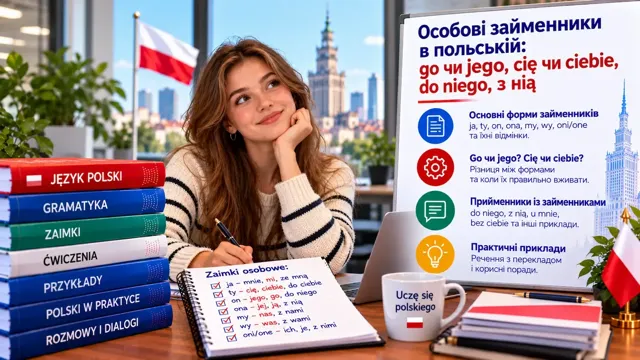
Personal pronouns in Polish: go or jego, cię or ciebie, do niego, z nią
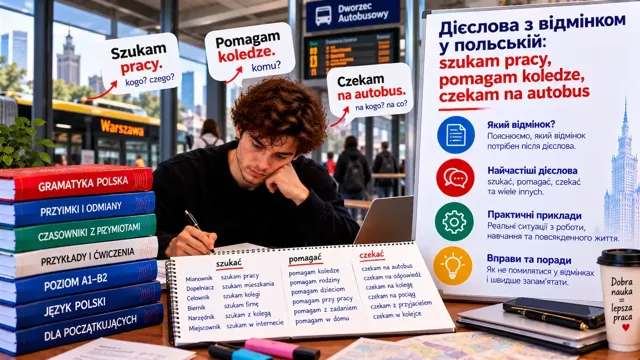
Verbs and their cases in Polish: szukam pracy, pomagam koledze, czekam na autobus
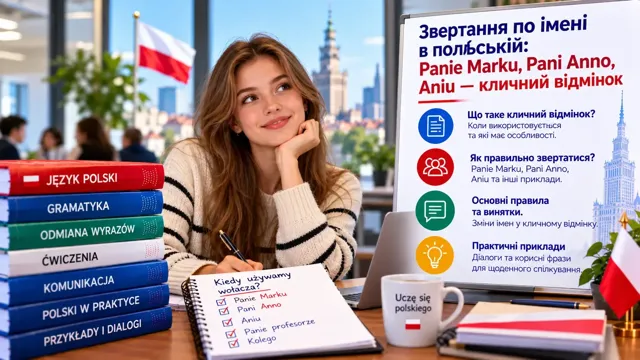
Addressing people in Polish: Panie Marku, Pani Anno, Aniu — the vocative
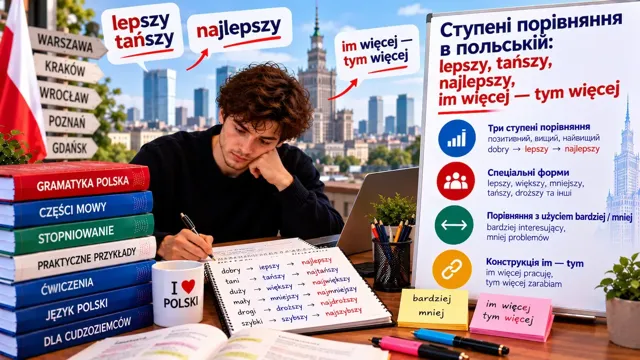
Comparatives and superlatives in Polish: lepszy, tańszy, najlepszy, im więcej — tym więcej