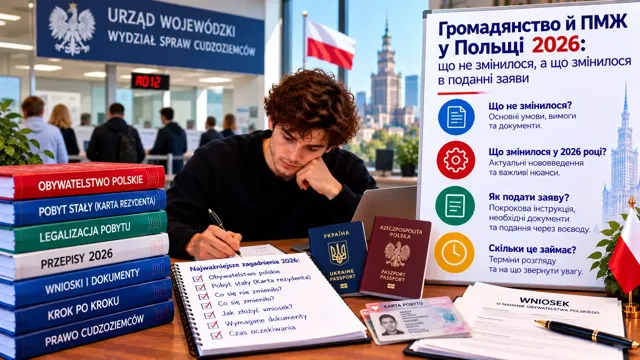
Pole's Card (Karta Polaka): who can get it and what it gives in practice
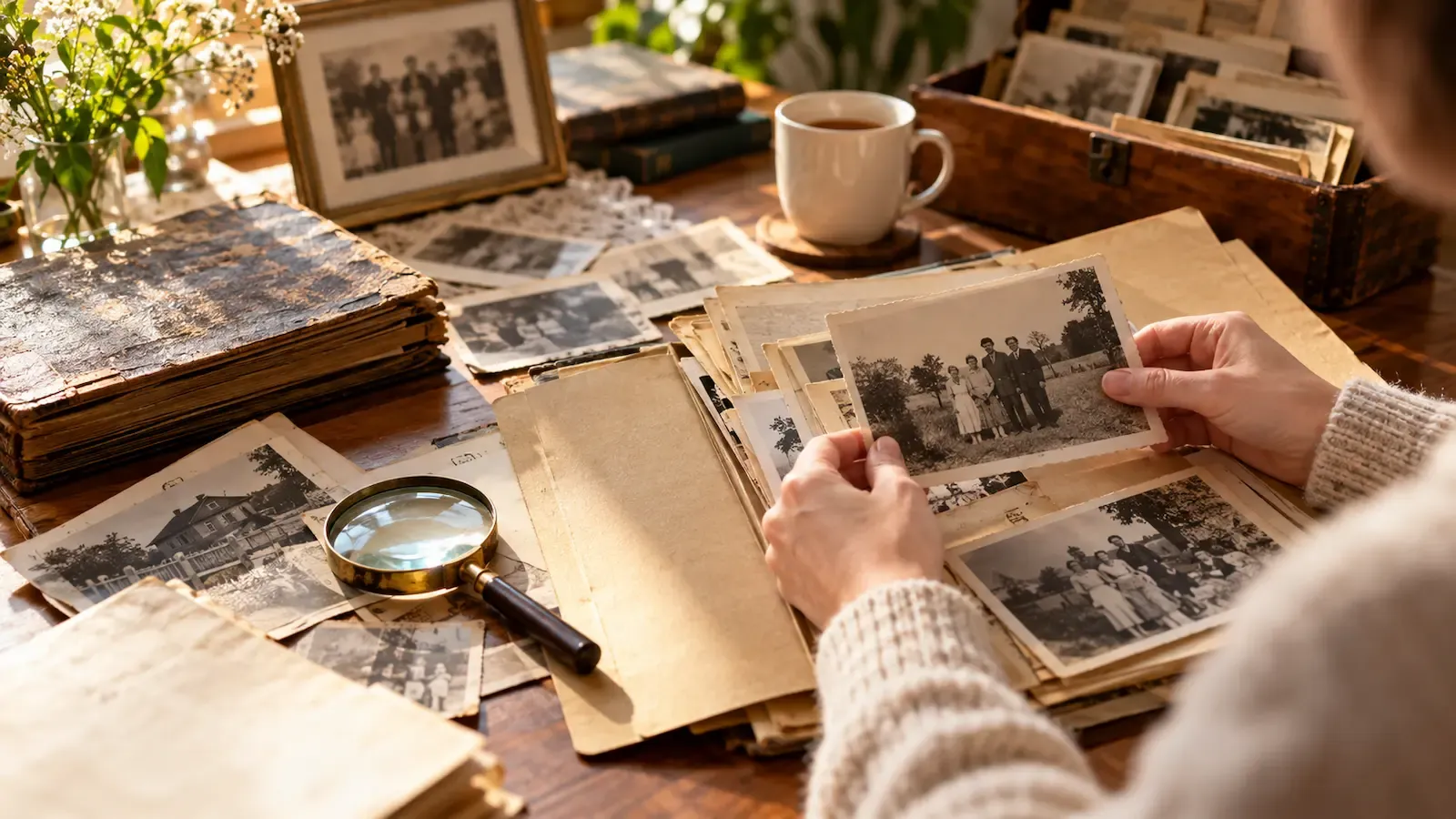

Some believe a Polish surname or a grandmother who "was definitely Polish" is enough for the Pole's Card. It isn't. The consul is not interested in family stories — he needs a document that says in black and white "nationality: Polish". A birth certificate with a Polish place of birth or a surname ending in "-ski" proves nothing on its own.
The card itself is neither citizenship nor a residence permit. It confirms that you belong to the Polish nation, and it unlocks several important benefits.
Who can apply: two grounds
The law provides two routes, and one is enough:
- Origin. At least one parent, a grandparent, or two great-grandparents were of Polish nationality.
- Activity in the Polish community. At least three years of work for a Polish organisation abroad, confirmed by an official letter from it.
In both cases you also need basic Polish, knowledge of traditions and customs, and a written declaration of belonging to the Polish nation.
Documents: where the case begins
Archive records are usually the basis. In practice, these work:
- Birth or marriage records with a "nationality" field — especially Soviet-era ones.
- Ancestors' military booklets stating nationality.
- Old-style passports and personnel files from workplaces.
- Documents from Polish institutions of the interwar period — certificates, parish register entries.
You also have to prove your family link to that ancestor with a chain of birth and marriage certificates. A gap in the chain is one of the most common reasons for refusal.
What the card gives in practice
- Work without a permit. Your employer doesn't need any paperwork to hire a foreigner.
- Studying on equal terms with Poles — including free full-time studies at public universities.
- A free national visa to enter Poland.
- A 37% discount on PKP train tickets and free entry to state museums.
- Free permanent residence and financial help for the first months for those who settle in Poland on the basis of the card.
- The shortest path to citizenship — you can be recognised as a citizen after one year of permanent residence granted in connection with the card.
Where to apply and how the interview goes
You apply at a Polish consulate or, if you already stay in Poland legally, at the voivode's office. The key step is a conversation with the consul in Polish. Expect questions about holidays, history, customs and your family. Perfect grammar matters less than holding a conversation without an interpreter. The card is issued for 10 years and can then be extended.
Checklist before applying
- Nationality. At least one ancestor's document states it directly, not just through a place of birth.
- Family chain. No gaps between you and that ancestor — every generation is confirmed by a certificate.
- Translations. Foreign-language documents have a sworn translation into Polish.
- Language. You can talk for 10–15 minutes on everyday topics and know the main Polish holidays.
- Copies. Show originals, but always bring a set of copies for the file.
Subscribe to our newsletter:
Latest Posts:
Latest Posts:
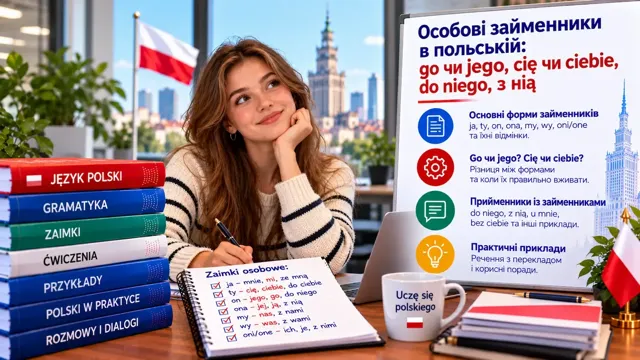
Personal pronouns in Polish: go or jego, cię or ciebie, do niego, z nią
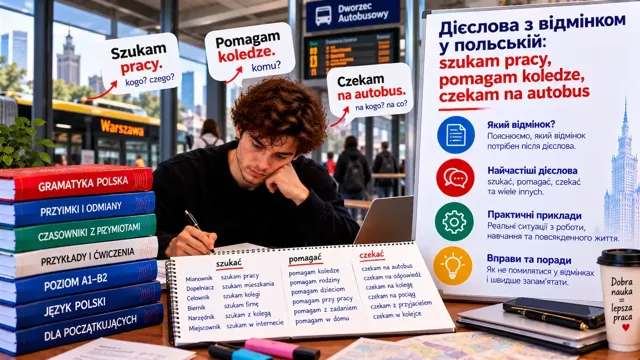
Verbs and their cases in Polish: szukam pracy, pomagam koledze, czekam na autobus
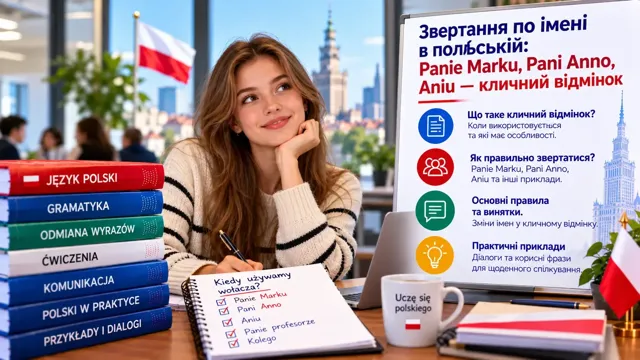
Addressing people in Polish: Panie Marku, Pani Anno, Aniu — the vocative
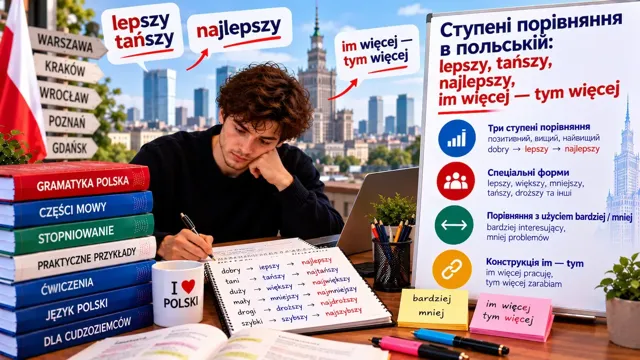
Comparatives and superlatives in Polish: lepszy, tańszy, najlepszy, im więcej — tym więcej