Working as a plowman in Poland: salaries, UDT and requirements in 2026
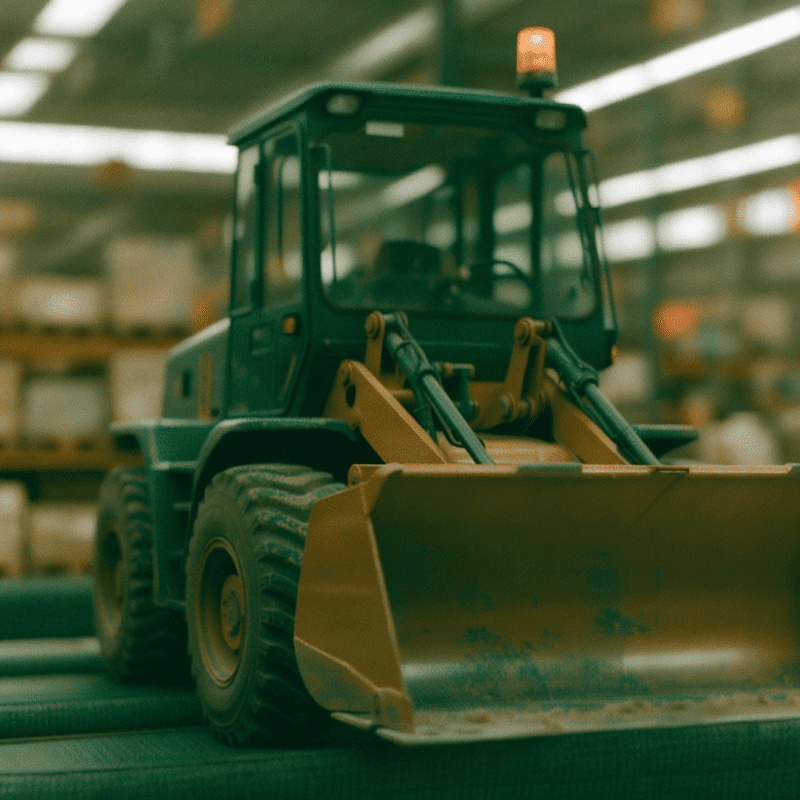

Working as a forklift operator is a popular option for people looking for employment in Poland. Warehouses, factories and logistics centres regularly need qualified operators, especially those who already have experience and the required UDT certification.
At first, the job may seem simple: drive the forklift, move pallets and place goods in the right location. In practice, however, employers also pay attention to safety, qualifications, experience and the ability to follow workplace instructions.
How much does a forklift operator earn in Poland?
Forklift operator salaries depend on experience, location, type of equipment, working hours and the employer.
Typical offers may look roughly like this:
- beginners — around PLN 5,000–6,000 gross per month;
- experienced operators — approximately PLN 6,000–7,500 gross;
- qualified UDT operators — around PLN 7,000–9,000 gross or more;
- additional shifts, night work and overtime can increase the final income.
The actual salary can vary considerably. A large logistics centre may offer better pay than a small warehouse, but the workload and number of shifts can also be higher.
When comparing vacancies, it is therefore worth looking beyond the advertised salary and checking the number of working hours, shifts, accommodation and contract conditions.
What is UDT?
UDT stands for Urząd Dozoru Technicznego, Poland's Office of Technical Inspection.
If you want to work with certain types of forklifts, you may need the appropriate UDT qualification. This is why Polish job advertisements often contain phrases such as "operator wózka widłowego UDT".
The qualification confirms that an operator has the required knowledge and skills to work with the relevant equipment.
UDT itself does not simply provide a standard forklift course. Training can be completed at specialised training centres, while the qualification process is carried out according to Polish regulations.
Can you work as a forklift operator without UDT?
It depends on the type of equipment and the specific job.
For many standard forklifts with mechanical lifting mechanisms, the operator needs the appropriate authorisation or qualification required under Polish regulations.
Therefore, having experience driving a forklift does not automatically mean that you can start working with one in Poland.
Many employers specifically require candidates to have valid UDT qualifications.
What are the requirements?
Employers commonly look for:
- valid UDT qualifications where required;
- previous forklift experience;
- responsibility and attention to detail;
- willingness to work in shifts;
- knowledge of basic health and safety rules;
- physical fitness;
- ability to understand basic workplace instructions in Polish.
Some companies are willing to train beginners, so a lack of experience does not always mean that you cannot find a job.
How much Polish do you need?
You do not necessarily need fluent Polish to work in a warehouse.
However, understanding basic instructions is important because forklift operation involves safety procedures and communication with other employees.
Useful words include:
- jedź — go/drive;
- stop — stop;
- podnieś — lift;
- opuść — lower;
- paleta — pallet;
- magazyn — warehouse;
- załadunek — loading;
- rozładunek — unloading.
For many warehouse positions, basic Polish can be enough to get started.
Where can forklift operators work?
Forklift vacancies are particularly common in:
Warehouses
Operators move pallets, load and unload trucks and place goods on storage racks.
Manufacturing plants
Forklifts are used to transport raw materials and finished products around production facilities.
Logistics centres
Large logistics facilities often operate around the clock, which means that shift work is common.
Industrial and construction companies
Forklifts can also be used to transport building materials, equipment and other heavy goods.
Does Ukrainian work experience count?
Previous experience gained in Ukraine can be a significant advantage when applying for jobs in Poland.
It is worth including your experience, the types of forklifts you have operated and the duration of your employment in your CV.
However, previous experience does not automatically replace Polish qualification requirements. If a particular job requires UDT certification, you will still need to meet the applicable requirements.
Is it worth getting UDT?
If you plan to stay in Poland and work in logistics, warehousing or manufacturing, obtaining the relevant UDT qualification can significantly increase the number of vacancies available to you.
Experienced operators with the required qualifications can apply for positions such as:
Forklift Operator, Warehouse Worker with UDT, UDT Forklift Operator or High-Bay Forklift Operator.
What should you check before accepting a job?
Before signing a contract, check:
- Is the salary stated as gross or net?
- How many hours are guaranteed?
- How many shifts are there?
- Are night shifts required?
- Is UDT mandatory?
- What type of forklift will you operate?
- Is previous experience required?
- Is accommodation provided?
- Is transport to work available?
- What type of employment contract is offered?
A job with a slightly lower hourly rate can sometimes be more profitable if accommodation is free or the employer guarantees a stable number of working hours.
Is forklift work suitable for foreigners?
Yes. Forklift operation is a realistic career option for foreigners living in Poland.
The combination of experience, UDT qualifications and basic Polish can make it much easier to find suitable vacancies.
If you already worked as a forklift operator in your home country, you do not necessarily have to start from zero. Check the Polish qualification requirements and look for employers who value previous experience.
Conclusion
Forklift operator jobs can be a good option for people who want to work in Poland's warehouse, logistics or manufacturing sectors.
The strongest candidates are usually those who combine practical experience, the required UDT qualification and basic Polish language skills.
If you are considering this profession, it is worth checking current vacancies in your city first. This will help you understand what employers are looking for and what working conditions are currently being offered.
Subscribe to our newsletter:
Latest Posts:
Latest Posts:

Where is the best place to look for a job in Poland in 2026: 10 cities with the most opportunities

How to change a passport in Poland for Ukrainians in 2026

How much does it cost to live in Poland in 2026: housing, food and transportation costs
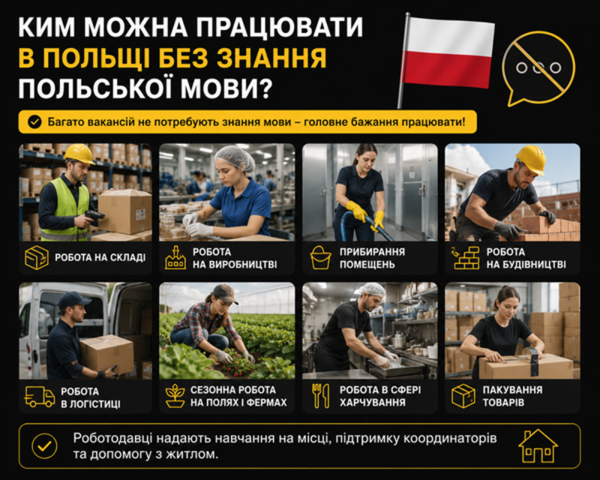
Who can work in Poland without knowing Polish?